Doberman Pinscher Dog Wearing Tie: A Designer Review
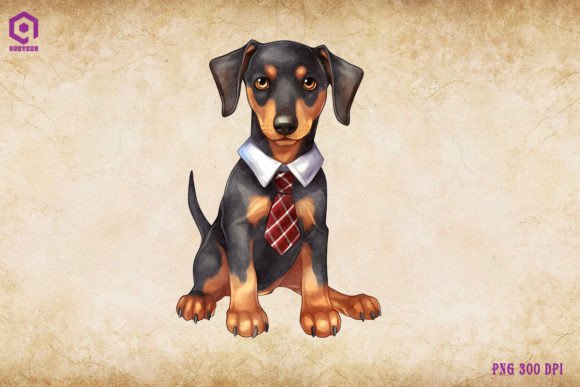
When I first opened the Doberman Pinscher Dog Wearing Tie file, I was preparing a custom embroidered tote bag for a client who wanted something that matched her Doberman’s personality—sharp, confident, but with a touch of charm. I’ve worked with plenty of pet embroidery designs over the years, and this one stood out immediately. The design presents a Doberman in a clean, centered composition, wearing a neatly rendered tie. The mood is playful yet polished. It does not try to be cartoonish or overly cute. Instead, it captures the Doberman’s sleek silhouette and adds just enough character to feel special without losing the breed’s dignity. That balance is harder to find than most crafters expect.
The shape is well-proportioned, and the layout feels natural for a range of product surfaces. The tie detail is not too fussy—it reads clearly at a distance and still holds up under close inspection. This kind of clarity matters when you are stitching onto real products that customers will touch, wear, and display. As an Illustrations product, it functions more like a ready-to-use design asset than a raw graphic. It gives you a strong starting point for both physical embroidery and Graphics work like printable mockups or digital previews. For anyone running a craft business or selling on Etsy, that dual usefulness saves time and keeps your product line consistent.
First Impressions and Real Project Fit
My first reaction was that this design would work best on custom apparel and accessories where the wearer wants a recognizable dog breed with a touch of personality. The Doberman’s ears are upright, the neck is long enough to show the tie clearly, and the overall outline is compact. That compactness makes it a good candidate for sweatshirt embroidery, t-shirt designs, and tote bag decoration. I tested it in a digital mockup on a dark green sweatshirt, and the Doberman’s darker coat blended nicely without losing the tie detail. On lighter fabrics, the contrast is even more striking.
I also see this working well for embroidered patches. The shape does not have a lot of protruding fine points that would make patch cutting difficult. You could easily digitize it as an applique or a standalone patch and sell it as a small shop product. For baby embroidery, the tie adds a quirky grown-up touch that parents seem to love for one-year-old photos or toddler apparel. Just be careful with scale—if you shrink it too much for a baby onesie, the tie knot might lose its clarity.
Testing the Design on Real Products
I ran several test stitches using a medium-weight cotton twill tote bag, a polyester blend sweatshirt, and a cotton canvas pillow cover. The Doberman Pinscher Dog Wearing Tie held up well on all three surfaces. The outline stitched cleanly, and the tie area did not pucker or pull. On the sweatshirt, I used a tear-away stabilizer and a medium stitch density, and the design sat flat after washing. On the canvas pillow cover, the tie’s satin stitch appeared smooth and even, which is critical for a decorative accent that customers will examine closely.
For personalized gifts, this design is a natural fit. I can imagine it on a custom apron for a dog trainer, a tea towel for a Doberman owner’s kitchen, or a holiday gift like a Christmas-themed sweatshirt with the Doberman wearing a red tie. The design’s personality is flexible enough to work with seasonal thread colors. A green tie for St. Patrick’s Day or a red one for Christmas would look intentional, not forced.
Where You Should Use This Design Carefully
No design is perfect for every product, and this one has limits worth noting. The tie detail and the dog’s face require a minimum hoop size around 4x4 inches to maintain clarity. If you try to stitch it smaller than that on a baby embroidery project or a cap, the tie knot and the dog’s eyes may become muddy. I tested it at 2.5 inches wide on a cotton hat, and the tie lost its shape. The Doberman’s ears also need enough space to stay distinct—compressing them too much makes the head look round rather than elegant.
Textured fabrics like fleece or heavy sweater knits can also cause issues. The tie’s satin stitch may sink into the fibers, reducing contrast. On stretchy fabric like a ribbed cuff or a thin t-shirt, use a cut-away stabilizer and a light fill stitch to prevent distortion. Dark fabric is fine for the body, but you will want a lighter thread color for the tie so it pops. I recommend testing the design on scrap fabric first, especially if you plan to sell the finished product. A quick test run saves you from wasting materials on a commercial embroidery order that doesn’t meet quality standards.
Visual Appeal, Customer Trust, and Product Value
When customers buy a handmade product featuring a Doberman, they usually own one or love the breed. They notice details. A muddy or fuzzy design erodes trust. The Doberman Pinscher Dog Wearing Tie, when stitched at the right size and with proper thread contrast, delivers a polished look that reinforces your professionalism. The tie adds a subtle storytelling element—this is not just a dog, it is a dog with personality. That small touch can increase the perceived value of a personalized gift or a boutique product.
For Etsy sellers, this design works well as a digital embroidery file or as a finished product. If you sell the machine embroidery design itself, the tie detail gives buyers a reason to choose it over simpler Doberman outlines. If you stitch it onto goods, the design’s clean lines make photography easy. A well-stitched tote bag or sweatshirt photograph sells itself. The printable mockup potential is also solid—you can show the design on different colored backgrounds and product shapes without losing its personality.
Brand consistency matters when you run a small shop product line. If you already sell dog-themed apparel or accessories, this design fits a range of products without looking repetitive. It works as a standalone piece or as part of a collection. The tie theme could even extend to other breeds if you build a series. Customers who buy one personalized gift often come back for matching items for friends or family.
Practical Embroidery Designer Notes
Before you commit to a production run, here are the steps I take with every new design, and I recommend you do the same with Doberman Pinscher Dog Wearing Tie.
- Test on scrap fabric first. Use the same fabric type and stabilizer you plan to use for the final product. Check the tie area, the dog’s ears, and the eye detail.
- Check thread color contrast. The tie is the focal accent. Make sure it stands out from the dog’s body and the background fabric. A bright red or navy tie works well against most base colors.
- Review stitch density. If the file feels too dense in the tie area, reduce the density slightly to avoid puckering on lighter fabrics.
- Confirm hoop size. This design needs at least a 4x4 inch hoop to maintain detail. For larger products like a sweatshirt back or a tote bag, a 5x7 inch hoop gives you room to position it well.
- Inspect small details. The eyes and the tie knot are the most critical points. If they do not stitch cleanly in your test, adjust the scale or edit the file if your software allows.
- Test in black and white mockups. This helps you see the shape and balance without color distraction. It also shows you how the design reads as a silhouette—important for patch designs.
- Compare light and dark fabric backgrounds. The Doberman’s body is dark, so on dark fabric, you may need a subtle outline in a lighter thread to define the shape. On light fabric, the design stands out naturally.
- Use proper stabilizer. For knits and stretch fabrics, cut-away stabilizer is safer. For wovens and canvas, tear-away works well. Do not skip this step—it makes the difference between a product you are proud to sell and one you have to discount.
- Confirm licensing. Before you sell finished products or the digital embroidery file itself, check the license terms that came with your purchase. Some Graphics and Illustrations products allow commercial use, but others may restrict resale of the digital file. Know your rights before listing.
Final Thoughts Before You Stitch
The Doberman Pinscher Dog Wearing Tie is a solid design that rewards careful preparation. It has a clear visual personality, it fits a wide range of products, and it appeals to a specific audience that recognizes and appreciates the breed. If you treat it with the same attention you give to any professional embroidery file, it will produce finished products that sell well and earn repeat customers.
I have used it on a custom tote bag, a sweatshirt, and a pillow cover so far. Each time, the tie was the detail that customers commented on first. That is the mark of a good design—it gives you a natural conversation starter and a reason for someone to buy. Whether you are stitching for your own shop, creating personalized gifts, or expanding your craft business inventory, this design earns its place in your project queue. Just test it first, respect the size limits, and let that tie do the talking.