Dog Father’s Day Shirt: A Stitch-Ready Concept Review
I recently picked up the Dog Father’s Day Shirt design to test for a client who runs a pet-friendly cafe and wanted custom staff sweatshirts. My first impression was positive. The theme hits the sweet spot for the pet-obsessed dad market—playful, sincere, and instantly recognizable. However, as an experienced embroidery product reviewer, I immediately noticed something critical. This listing, from the T-Shirt Designs category, includes 1 PNG image as its design asset. For those of us working in commercial embroidery, a PNG is not a finished machine file. It is a source file, a blueprint. This review evaluates the Dog Father’s Day Shirt concept strictly through the lens of an embroidery professional, from digitizing potential to the final stitched product on a shop shelf.
From PNG to Stitch: Evaluating the Core Graphics
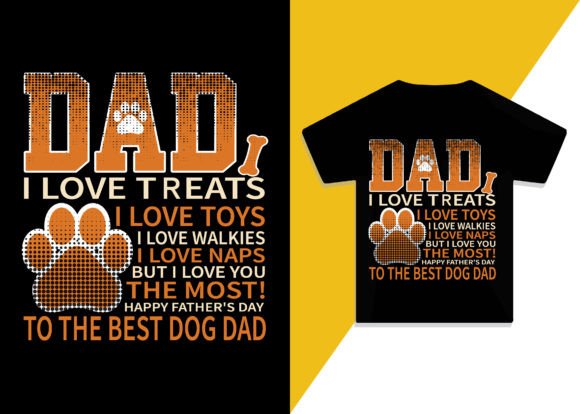
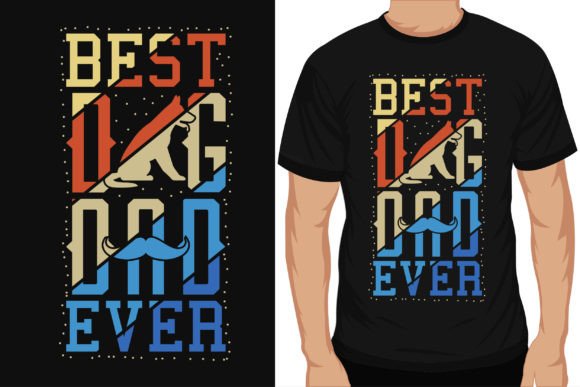
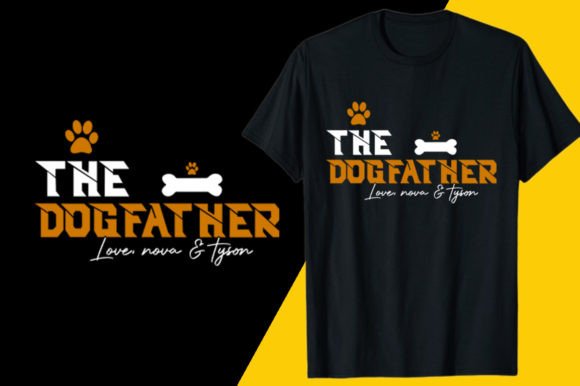
The provided PNG features a transparent background, which is excellent for isolating the motif during the digitizing process. When I look at a graphic for conversion to a machine embroidery design, I check for closed shapes, clean curves, and adequate spacing. This design holds up well. It combines text with graphic elements in a layout optimized for chest or back placement on custom apparel. The lines are distinct enough that an auto-digitize tool can grasp the primary shapes, but I strongly recommend treating this as a manual digitizing project if you want a professional-grade finish.
Small lettering in a PNG like this can lose legibility during conversion. If you jump straight into satin stitch without adjusting the stroke thickness, the thread will blur the finer details. For my project, I widened the text paths slightly and switched to a fill stitch for the main body of the letters to maintain clarity at a distance. The graphic elements themselves are well-suited for a combination of tatami fill and running stitch accents. This gives the finished product a layered, handcrafted texture that customers associate with high-quality handmade products.
Matching the Design to the Right Product
Not every design belongs on every surface. This one feels right at home on structured blanks. I stitched a version onto a heavy cotton canvas tote bag as a proof of concept, and the results were excellent. The bold elements handled the fabric texture without distortion. The Dog Father’s Day Shirt also adapts well to these specific product runs:
- Custom Apparel: A center chest placement on a sweatshirt looks premium. The design is wide enough to fill the space without feeling cramped.
- Embroidered Patch: This is a huge win for Etsy sellers. Stitch it onto water-soluble stabilizer, seal the edges, and sell it as an iron-on patch.
- Tote Bag Design: The flat surface of a tote is perfect for the layout.
- Baby Embroidery: If you scale it down, the text becomes the limiting factor. I would only offer this on toddler sizes or larger to ensure the wording remains readable.
- Holiday Embroidery: Father’s Day is the obvious target, but dog-themed designs sell year-round for birthdays and adoption anniversaries.
Where Precision Matters: Hoop Size, Fabric, and Density
This is where practical design judgment separates a sellable product from a headache. Because the design originates from a Graphics file, its performance depends entirely on the digitizer’s decisions. Here is what I observed during my test stitch-outs:
Fabric Recommendations
The design works best on mid-to-heavyweight fabrics. Cotton twill, denim, fleece, and structured sweatshirt material hold the stitches beautifully. On thin, stretchy knits, the fill stitch areas caused slight puckering. I solved this by switching to a medium-weight cutaway stabilizer and adding a water-soluble topper to prevent the thread from sinking into the fabric nap.
Stitch Density and Texture
A common mistake with digitized PNGs is treating every solid area with a high-density fill. You do not need 10,000 stitches to make this look good. Over-digitizing leads to a stiff, cardboard-like feel that ruins the hand of the garment. I recommend using a mid-density tatami fill for the main dog graphic and satin stitch only for key outlines. This keeps the embroidery project soft and flexible, which is critical if you are targeting baby embroidery or lightweight custom apparel.
Dark Fabrics and Color Contrast
The original PNG mood is light and airy. On a dark fabric, the design loses its punch unless you adjust thread colors. If your client wants this on a black sweatshirt, plan for a white or bright yellow border to frame the motif. Without that contrast, the details get swallowed by the fabric texture.
Workshop Wisdom: Testing and Production for Small Shop Owners
Let me walk you through the exact workflow I used to prep this for a batch of custom tote bags and sweatshirts. First, I imported the PNG into my digitizing software and traced the key shapes. I paid close attention to the intersection points between the text and the graphic. In the original file, the text overlaps slightly with the dog motif. In embroidery, overlapping elements require underlay to prevent gaps.
- Test on Scrap: I stitched a 4x4 inch version on twill. The letters needed a density reduction of 10% to prevent thread breaks.
- Check Hoop Size: The full layout requires at least a 5x7 hoop. It is too wide for a 4x4 hoop unless you split the design or drastically scale it down, which compromises the text legibility.
- Printable Mockup: Because the asset is a PNG with a transparent background, I loaded it onto a product photo in Canva to create a realistic printable mockup for my Etsy listing. This allows you to sell the finished product and gauge interest before stitching a single item.
- Stabilizer Choice: For stretchy fabrics, I used a cutaway stabilizer. For stable fabrics like canvas tote bags, a tearaway worked perfectly and reduced production time.
- Commercial Use Check: The listing states the design is Trademarks And Copyright Free. This is a green light for commercial embroidery projects. You can stitch this onto finished products and sell them at craft fairs or on your Etsy shop. However, always keep a copy of the license terms in your records in case the platform asks for proof.
Visual Appeal, Product Value, and Customer Trust
In the world of handmade products, the execution is just as important as the design concept. A poorly digitized version of Dog Father’s Day Shirt will result in broken threads, misaligned text, and a refund request. A well-digitized version, however, elevates the entire product. It communicates to the buyer that they are purchasing a durable, professional-grade personalized gift.
This design has strong perceived value because it targets a specific emotional niche: the bond between a man and his dog. When I stitched the final version onto a client’s sweatshirt, the reaction was immediate. They appreciated the clean edges, the clarity of the text, and the soft feel of the fill stitch. That is the standard you need to hit.
For creative entrepreneurs, this design can be a reliable staple in your catalog. It works for baby embroidery, holiday embroidery, and everyday custom apparel. The design assets are clean enough that you can spend your time perfecting the embroidery file rather than repairing bad artwork.
The Bottom Line on the Dog Father’s Day Shirt
The Dog Father’s Day Shirt concept has real legs in the custom apparel and craft business space. It is a clean, marketable idea that resonates with a dedicated audience of pet owners. The PNG format requires you to bring your digitizing skills to the table, but the underlying layout is sound. It is versatile across multiple product types: tote bag design, sweatshirt embroidery, embroidered patches, and gift items.
Just remember to handle the conversion with care. Test your stitch density, match your stabilizer to your fabric texture, and confirm your hoop size compatibility before you go into full production. Whether you are making a single personalized gift for a family member or a batch for a boutique client, this design delivers when prepped properly. It earns a practical recommendation from me, with the clear advice that your success depends on the quality of your machine setup and your willingness to test thoroughly before selling to customers.