German Shepherd Dog Skateboarding: Design Review
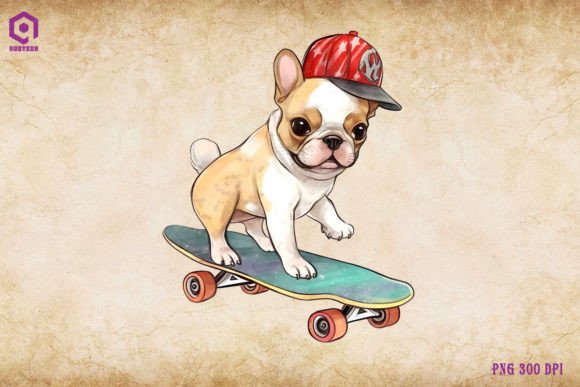
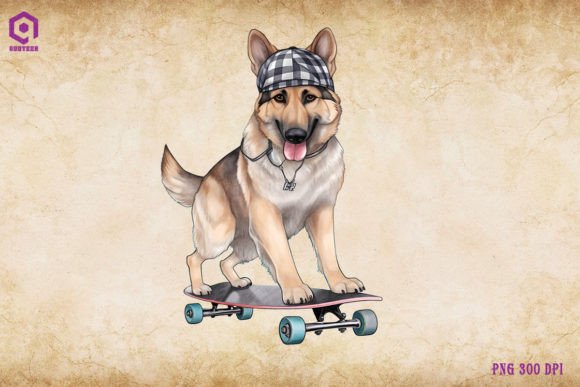
When I first opened the German Shepherd Dog Skateboarding clipart, I had a pretty good idea what to expect. Dog designs are a staple in the embroidery world, but this one has a bit of personality that sets it apart. The image of a German Shepherd balancing on a skateboard carries a playful, slightly mischievous energy that feels modern and relatable. It is not a stiff portrait or a generic silhouette. It looks like a dog that actually has a hobby. That kind of attitude translates well into finished products, especially for customers who want something beyond the usual "I love my dog" text-based designs.
As an embroidery designer who has stitched out hundreds of pet-themed files, I can tell you that the success of a design like this depends on more than just the artwork. It depends on how the Illustrations category piece behaves under the needle, how it reads on different fabrics, and whether it delivers the kind of visual punch that makes someone reach for their wallet. The German Shepherd Dog Skateboarding Graphics file has potential, but like any digital asset, it needs to be evaluated before you commit it to a hoop.
First Impressions and Project Fit
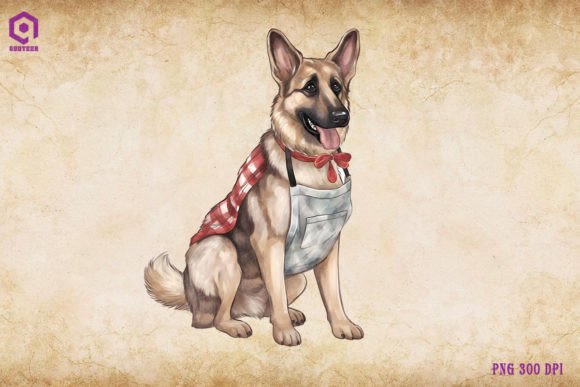
The mood of this design is lighthearted without being cartoonish. The German Shepherd is recognizable by its signature markings, upright ears, and confident stance. The skateboard adds motion and a hint of urban style. It feels like something a dog lover in their twenties or thirties would put on a sweatshirt, or something a parent would order for a child who adores their family dog. It is not overly cutesy, which gives it broader appeal for both personal projects and commercial embroidery work.
If I were building a product line for a small shop, I would put this on a sweatshirt embroidery piece, a tote bag design, or a large embroidered patch. The shape is horizontal enough to work well on the back of a hoodie or across the front of a canvas bag. It also has a natural center of gravity that makes it suitable for custom apparel like t-shirts and aprons. The design has enough detail to feel complete, but it does not rely on tiny elements that would disappear in the wash.
Where This Design Shines in Real Use
Let me walk you through a real scenario. A client comes to me asking for a custom embroidered tote bag as a birthday gift for a friend who owns a German Shepherd. The friend is active, likes skateboarding, and wants something that reflects her dog's personality. I pull up the German Shepherd Dog Skateboarding file and start thinking about placement. The horizontal orientation fits nicely on a standard tote bag front. The design is large enough to be the main focal point without needing extra text or decorations. I choose a sturdy canvas tote in a natural color, use a medium-weight stabilizer, and run a test stitch-out on scrap fabric first.
This is the kind of project where the design earns its keep. The dog's face reads clearly, the skateboard has enough definition to look like a skateboard and not a blob, and the overall silhouette is clean. The recipient loved it, and the client immediately ordered two more for other dog-owning friends. That is the kind of organic demand this design can generate when it is placed on the right handmade product.
Other natural applications include baby embroidery for a nursery themed around a family pet, holiday embroidery gifts for dog owners, and personalized gift items like pillow covers or kitchen towels. It also works well as a digital embroidery file for Etsy sellers who want to offer a ready-to-stitch design to their customers. The Graphics nature of the file means it can be used in printable mockups and design assets for product listings, which adds value for digital product sellers.
Where to Be Careful With This Design
No design is perfect for every situation, and German Shepherd Dog Skateboarding has some limitations worth noting. The first is hoop size. Because the design has a horizontal spread, you need a hoop that accommodates the full width of the skateboard and the dog's body. If you try to squeeze it into a small hoop, you risk clipping the tail or the skateboard wheels. Always check the dimensions before you start. If the file does not list measurements, do a test stitch-out on a piece of scrap fabric to confirm it fits your hoop.
Second, the design contains some detail around the dog's face and the skateboard wheels. On textured fabrics like fleece or thick sweatshirt material, those details can get lost. The stitch density might need to be adjusted if the file allows it, or you may need to use a lighter fabric texture to keep the design crisp. Dark fabric is another consideration. If the dog's markings are light and the skateboard has dark accents, you need to test thread contrast to ensure the design does not blend into the background. I recommend testing it in black and white mockups first to see how the values read.
Third, if you are planning to put this design on a cap or a curved surface, be cautious. The horizontal shape can be tricky to align on a curved cap front. You may need to use a cap hoop and a lightweight stabilizer to keep the design from distorting. Similarly, stretchy fabric like jersey knit can cause the skateboard to warp if the fabric is not properly stabilized. Use a tear-away or cut-away stabilizer depending on the fabric weight, and always test first.
Practical Embroidery Designer Notes
Before you commit this design to a final product, here is a checklist I run through with every new file. First, test the design on scrap fabric that matches the final garment or item. Use the same thread colors you plan to use in production. Check the stitch density to see if the design is too heavy or too light for your fabric. A design with high stitch density can cause puckering on thin fabrics, while a design with low density may look sparse on thick fabrics.
Second, inspect the small details. The dog's ears, eyes, and the skateboard wheels are the most likely areas to lose definition. If the file uses satin stitch for outlines, make sure the satin stitch is wide enough to cover the underlay without gaps. If it uses fill stitch for large areas, check that the fill direction works with the shape of the design. Running stitch details should be clean and not too tight, or they may break during stitching.
Third, compare the design on light and dark fabric backgrounds. Sometimes a design that looks great on white fabric becomes nearly invisible on black. If you plan to sell finished products, offer the design in multiple colorways or advise customers on thread color choices. This builds trust and reduces returns.
Fourth, use the proper stabilizer. For a design like this, I usually recommend a medium-weight cut-away stabilizer for most garments. For embroidered patch projects, use a heavy tear-away or a water-soluble topping to keep the stitches clean. For baby embroidery items, use a soft cut-away stabilizer that will not irritate sensitive skin.
Commercial Use and Licensing Considerations
The product description states that you receive one ZIP file as an instant digital download. It does not specify commercial licensing terms. If you are a craft business owner, Etsy seller, or small shop product creator, you need to verify whether you are allowed to use this design for commercial embroidery projects. Some clipart and Graphics files are licensed for personal use only, while others allow you to sell finished products. A few even allow you to resell the digital file itself. Do not assume anything. If the listing does not clearly state the license, contact the seller before using the design in any commercial project.
For my own shop, I only use designs with clear commercial licenses. I have seen too many crafters get into trouble by selling products with unlicensed artwork. If you are a digital product seller offering design assets or embroidery file downloads, you need an even more permissive license that allows redistribution. Always read the fine print and keep a record of the license terms.
Visual Appeal, Customer Trust, and Product Value
When a customer sees a German Shepherd Dog Skateboarding design on a finished product, they are not just buying a piece of embroidery. They are buying a representation of their dog's personality. That emotional connection is what drives sales in the custom apparel and personalized gift market. The design needs to be clear, well-proportioned, and visually engaging. If it looks amateurish or poorly stitched, it damages the customer's trust in your brand. If it looks professional and polished, it elevates the entire product and justifies a higher price point.
This design has the potential to deliver that professional look, but only if you take the time to test it, adjust it if necessary, and pair it with the right materials. A well-executed tote bag design or sweatshirt embroidery featuring this design can become a bestseller in a small shop. It is giftable, recognizable, and fits a niche that has consistent demand.
Final Thoughts on the Design
I have reviewed hundreds of machine embroidery design files over the years, and German Shepherd Dog Skateboarding stands out as a solid, usable piece of Illustrations artwork. It is not overly complex, which works in its favor for most embroidery projects. It has a clear subject, a fun theme, and enough detail to feel complete without being fragile. It is the kind of design that works well for both handmade product sellers and creative entrepreneurs who want to expand their offerings.
My advice: test it, check the size, confirm the license, and then put it on something that a dog lover would actually carry or wear. Whether you are making a custom tote for a friend, building an Etsy seller inventory, or creating a line of holiday embroidery gifts, this design has the potential to deliver real value. Just do the prep work first, and it will serve you well.