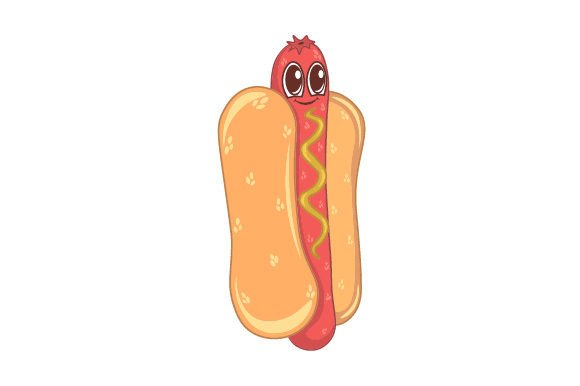
Retro Groovy Hot Dog
As an embroidery designer and product reviewer, I’ve evaluated countless machine embroidery designs. The Retro Groovy Hot Dog stands out for its nostalgic charm and versatility in real-world projects. It’s a design that feels like it belongs on a vintage poster or a custom tote bag, but how does it perform when stitched? Let’s break it down.
The First Impression: Nostalgia Meets Simplicity
The Retro Groovy Hot Dog immediately evokes a sense of fun and playfulness. Its bold lines, retro typography, and whimsical hot dog shape make it ideal for projects targeting a younger audience or those with a vintage aesthetic. The layout is clean, with enough detail to be visually engaging without overwhelming the eye. It’s the kind of design that could easily become a signature piece in a craft business or a standout element in a personalized gift.
The visual personality of Retro Groovy Hot Dog leans into simplicity with a touch of humor. It’s not overly complex, which makes it accessible for both beginners and experienced embroiderers. The theme fits well within the Food Amp category, especially when paired with other food-related designs for themed merchandise.
Real-World Embroidery Use Cases
When considering where to place Retro Groovy Hot Dog, the options are wide open. It works great as a tote bag design, a sweatshirt embroidery, or even a baby item like a onesie or blanket. The design’s size and structure also make it a strong candidate for embroidered patches, aprons, and kitchen towels. For small shop products, it can be a hit at craft fairs or online marketplaces like Etsy.
One scenario I envision is using it on a custom embroidered cap. The hot dog shape would look great on the front, and the retro style adds character. It could also work well as a holiday embroidery project, especially around summer events or retro-themed parties. For commercial embroidery, it’s a solid choice for branded merchandise, as long as the design scales appropriately.
Where to Be Cautious: Design Limitations
While Retro Groovy Hot Dog has a lot to offer, there are some areas where caution is needed. If you’re working with small hoop sizes, this design might require multiple hooping steps, which can be time-consuming. It also has intricate corners and detailed elements that may not translate perfectly on textured fabrics or thin materials. Stretchy fabrics could cause distortion if not stabilized properly.
On dark fabrics, the design might not show up as clearly unless the thread colors are chosen carefully. For example, using a bright white or light-colored thread on a black background could create a striking contrast. However, on lighter fabrics, the design may appear more subdued. It’s important to test the design on different fabric types before committing to a final project.
For layered garments or curved surfaces like caps, the design might need some adjustment to ensure it sits correctly. Tiny lettering or decorative accents could be lost in dense stitch areas, so checking the stitch density is essential. If you’re planning to use it for a digital product or printable mockup, make sure the file format supports your intended use.
Impact on Visual Appeal and Customer Perception
Retro Groovy Hot Dog has the potential to elevate the visual appeal of any finished product. Its playful design can make a handmade product stand out in a crowded market. Customers often respond positively to unique, nostalgic themes, which can increase the perceived value of a product. A well-executed embroidery project featuring this design can build customer trust and encourage repeat purchases.
From a branding perspective, it’s a versatile design that can fit into a cohesive theme. Whether you’re creating a line of vintage-inspired apparel or a set of personalized gifts, Retro Groovy Hot Dog can serve as a consistent visual element. It also enhances giftability, as the design is both recognizable and appealing to a broad audience.
Practical Designer Notes: What to Check Before Using
Before incorporating Retro Groovy Hot Dog into your next project, there are several practical steps to take. First, test the design on scrap fabric to see how it looks in real life. This helps identify any issues with stitch density, thread color contrast, or fabric compatibility.
Review the stitch density to ensure it’s appropriate for the fabric you’re using. Some designs may require additional stabilizer to prevent puckering or distortion. Also, check whether the design works well in both black and white mockups, as this can affect how it appears on different backgrounds.
If you’re planning to sell finished items or digital products, confirm the licensing terms. While the product description doesn’t specify, it’s always wise to double-check before using the design commercially. For applique designs or satin stitches, make sure the edges are clean and the fill stitches are even.
Final Thoughts: A Fun and Functional Design
Retro Groovy Hot Dog is a design that brings joy and nostalgia to any embroidery project. It’s well-suited for custom apparel, handmade products, and small business merchandise. With proper testing and consideration, it can be a valuable addition to your design assets.
Whether you’re an Etsy seller, a craft business owner, or a hobbyist looking for creative inspiration, this design offers a balance of fun and functionality. Just remember to approach it with care, especially when working with delicate fabrics or complex stitching requirements. When done right, Retro Groovy Hot Dog can turn a simple project into a memorable, high-quality finished product.