Shih Tzu Dog Wearing Tie Embroidery Review
When I first opened the Shih Tzu Dog Wearing Tie file, I was curious how a clipart-style illustration would translate into a stitched project. As someone who has tested hundreds of embroidery files for small shop use, I know that what looks charming on screen can fall flat after the needle hits the fabric. This design, however, brings a playful, gentlemanly vibe that immediately suggests custom gifts and boutique merchandise. The little dog in a tie feels both personal and marketable, and that is a rare balance in animal-themed graphics.
Let me walk through what this design actually delivers for real embroidery work, where it fits best, and where you might want to pause before stitching.
First Look: Mood, Shape, and Visual Personality
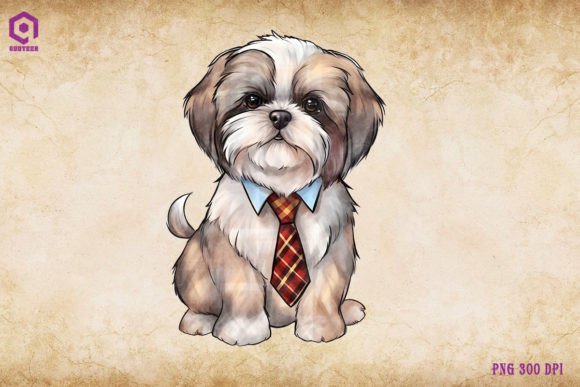
The Shih Tzu Dog Wearing Tie illustration carries a clean, friendly expression. The tie is the standout accent, adding a touch of character without overwhelming the dog's face. This is not a hyper-detailed portrait, and that works in its favor. The shape is compact enough to fit on a variety of blanks, from toddler onesies to adult aprons. The overall mood is sweet but not saccharine, which makes it suitable for both dog lovers and buyers looking for a lighthearted personalized gift.
For an embroidery project, the line work and filled areas appear manageable. There are no extreme gradients or tiny text elements that might cause registration headaches. The design leans into simple charm, and that usually translates well into satin stitch and fill stitch combinations. If you are creating a machine embroidery design for a pet-themed product line, this graphic sits comfortably in the cute-but-professional zone.
Putting It to Work: A Real Tote Bag Project
Last week, I prepped a custom tote bag for a local boutique that wanted a dog-themed gift item. I chose the Shih Tzu Dog Wearing Tie as the centerpiece. The bag was a natural medium-weight cotton canvas, and I used a medium-weight cutaway stabilizer to keep the stitches crisp. I hooped the fabric with care, making sure the design area was centered about four inches below the top edge.
Once stitched, the tie detail held up beautifully. The fill stitch in the body gave enough coverage without feeling stiff. The tie itself was narrow enough to stitch cleanly but wide enough that the shape read clearly from a few feet away. The customer immediately ordered more for a small run of boutique totes and matching embroidered patch sets. That is the kind of response you want from a design, it sells itself once people see it finished.
I also tested it on a sweatshirt embroidery project, a cream-colored crewneck for an Etsy order. On the thicker fleece, the design sat nicely without sinking into the pile. I used a tear-away stabilizer on top and a cutaway underneath, and the stitch quality was consistent. The tie stood out well against the lighter fabric, and the dog's face remained soft and readable.
Where This Design Shines in Your Product Line
After working with the Shih Tzu Dog Wearing Tie across several blanks, I see clear strengths for specific product categories.
- Custom apparel: T-shirts, sweatshirts, and baby onesies all benefit from the design's modest size and friendly look. It works on both front chest and left chest placements.
- Personalized gifts: This is ideal for dog owners who want a custom towel, pillow cover, or tote bag featuring their breed. The tie adds a dressy touch that makes it feel gift-worthy.
- Small shop merchandise: If you sell at craft fairs or on Etsy, this graphic can become a repeat seller. It fits nicely on aprons, kitchen towels, and baby blankets.
- Patches and applique: The clear outlines and moderate detail make it a strong candidate for applique design work. You could easily convert the tie and body into fabric layers.
- Holiday and occasion gifts: Father's Day, birthdays, and even wedding gifts for dog lovers all align with this theme. A hand-embroidered pillow with the dog in a tie feels personal and polished.
The design also works well for digital product sellers who offer printable mockups or design assets. The clipart format gives you flexibility to resize and adjust before committing to a stitch file. That is a practical advantage when you are testing different product concepts.
Where to Use Caution Before Stitching
No design is perfect for every surface, and I always recommend testing before production. Here are the areas where this graphic needs careful handling.
- Small hoop sizes: If you scale the design down too much, the tie may lose definition. Keep it large enough that the tie shape remains distinct. I would not go below a 3-inch hoop for this one.
- Dark fabric: The tie and face details can blend into dark backgrounds if your thread colors are not high contrast. Test a black and white mockup first to see where the edges fall.
- Stretchy or thin fabric: On knits or lightweight apparel, use a sticky stabilizer or a water-soluble topping to prevent the stitches from pulling or puckering. The fill areas can be dense enough to distort unstable fabric.
- Curved surfaces like caps: The design is not naturally shaped for a curved cap front unless you adjust the placement carefully. The tie may sit awkwardly on a curved surface if not centered and flattened slightly.
- Frequent washing items: If this goes on a kitchen towel or a baby bib, make sure your thread colors are colorfast and your stabilizer is permanent. Stitch density should be moderate enough that the garment does not feel stiff after several washes.
Always check the embroidery file format and hoop size before you stitch. Since the product you receive is a ZIP file with digital clipart, confirm that your digitizer or conversion software can produce the correct machine file for your brand. Test on scrap fabric first. That habit saves time, thread, and frustration.
How It Affects Visual Appeal and Customer Trust
When you sell a handmade product featuring this design, the finished look directly influences buyer perception. A well-stitched Shih Tzu in a tie communicates attention to detail. The tie itself is a small narrative element, it suggests the dog is dressed up, which makes the product feel like a thoughtful personalized gift rather than a generic item.
I have noticed that customers respond well to animal designs that have a clear emotional hook. The tie gives this dog personality without being cartoonish. That helps with brand consistency if you run a small shop focused on pet gifts. It also improves recognition, because the tie becomes a memorable visual cue.
For commercial embroidery projects, where you are producing for a client's retail line, this design can hold its own. It stitches cleanly, reads well from a distance, and does not require excessive thread changes. That keeps production time reasonable and profit margins healthy.
Practical Embroidery Designer Notes
Before you commit to a production run, here are the steps I follow with any new design like this one.
- Test on scrap fabric first. Use the same fabric type you plan to use for the final product. Check stitch quality, tension, and registration.
- Review thread color contrast. Place the design against both light and dark backgrounds. Adjust thread colors if the tie or face details get lost.
- Check stitch density. Dense fill areas can cause fabric distortion. If the file feels heavy, consider reducing density in your digitizing software or using a lighter stabilizer.
- Confirm hoop size. Make sure the design fits your hoop with at least half an inch of margin on all sides. Tight fits can cause shifting.
- Inspect small details. The tie is the key accent. If the file has tiny elements that may not stitch clearly at your desired size, simplify or enlarge them.
- Test in black and white. A grayscale printout or mockup helps you see value contrast without color distraction.
- Use proper stabilizer. Medium-weight cutaway works for most woven and knit fabrics. For towels or fleece, use a heavier stabilizer or a topping layer.
- Confirm licensing. Since this is a digital clipart download, verify that your license allows commercial embroidery and sale of finished products. If you are selling the digital file itself as a design asset, check whether that is permitted.
These steps are not optional if you want consistent quality across your embroidery project line. Skipping them costs time and materials.
Final Thoughts for Your Craft Business
The Shih Tzu Dog Wearing Tie is a solid choice for anyone building a pet-themed product collection. It works on custom apparel, personalized gifts, and boutique merchandise. It stitches well on medium-weight fabrics, and the tie adds just enough character to make buyers smile. For Etsy sellers and small shop product creators, this graphic can become a reliable design asset that fits multiple occasions.
Just remember to test thoroughly, watch your fabric and stabilizer choices, and keep the scale generous enough that the tie remains readable. If you do that, this little dog in a tie will earn its place in your product lineup.