Boston Terrier Dog Skateboarding: A Designer's Review for Real Embroidery Projects
When I first opened the Boston Terrier Dog Skateboarding design, I have to admit I smiled. There is something about a sturdy little dog balancing on a skateboard that feels both playful and confident. As someone who has stitched thousands of embroidery projects over the years, I have learned to read a design within seconds. This one tells me immediately that it is meant for casual, joyful products. It is not trying to be elegant or refined. It is trying to make people grin. And that is a valuable quality for any embroidery project that needs to connect with customers on a personal level.
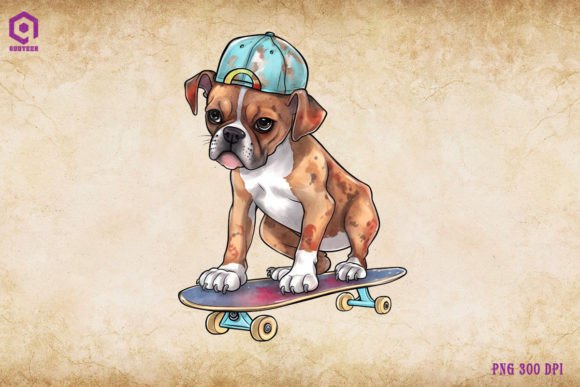
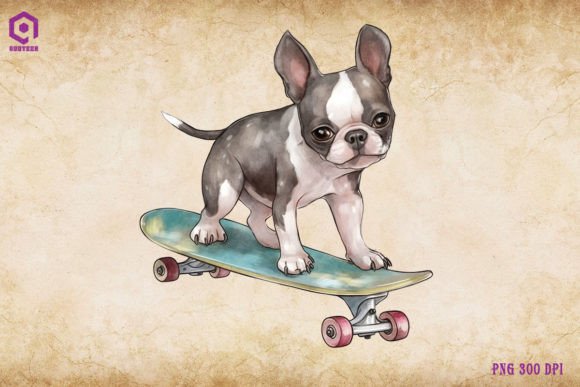
The silhouette of the Boston terrier is recognizable even without the breed markings, but the skateboard gives the design a modern, active twist. The overall shape is compact and centered, which means it will fit neatly onto most standard garment placements. I can already imagine it centered on the back of a youth sweatshirt or positioned on the left chest of a custom t-shirt. The mood is upbeat, energetic, and a little bit cheeky, which makes it a natural fit for dog lovers, pet boutiques, or anyone building a small shop brand around canine themes.
Because this product is listed under Illustrations and categorized as Graphics, I know the file I am working with is a clipart PNG rather than a dedicated machine embroidery design. That is an important distinction. For embroidery use, I will need to convert or digitize the artwork before stitching. But the clean lines and clear shapes in this graphic mean it should digitize well without losing its charm. The details are simple enough that a good digitizer can translate them into fill stitch, satin stitch, and running stitch elements without excessive stitch density or thread breaks.
First Impressions and Project Fit
The Boston Terrier Dog Skateboarding design has a bold, graphic quality that reads well at a distance. This is crucial for custom apparel. Whether you are stitching it onto a tote bag design for a local pet store or creating an embroidered patch for a dog rescue fundraiser, the design needs to hold its shape and remain recognizable after stitching. I can see this working beautifully on a heavyweight cotton sweatshirt, a structured canvas tote bag, or even a soft jersey t-shirt if the stabilizer is chosen carefully.
One real scenario I have in mind is a custom tote bag for a small boutique that specializes in dog-related gifts. The owner wants something that feels handmade but also polished enough to sell. Using the Boston Terrier Dog Skateboarding graphic, I would digitize it as a machine embroidery design with a satin stitch outline and a subtle fill stitch for the dog body and skateboard. The result would be a durable, washable design that feels substantial on the bag. Customers who see it at a craft fair or in an Etsy shop will immediately recognize the personality of the breed and the playful action of the pose.
I also think this design would work well as a sweatshirt embroidery for a dog walking business or a personalized gift for a Boston terrier owner. The breed is distinctive, and the skateboard adds a layer of fun that separates it from generic dog silhouettes. When I review a design for real project use, I always ask myself whether the finished product would feel worth the price to a buyer. In this case, I believe it would. The design feels complete without being cluttered, and it leaves room for customization with text or additional small elements if desired.
Performance in Real Embroidery Situations
When I evaluate how Boston Terrier Dog Skateboarding would perform in actual stitching, I think about fabric types, stitch density, and thread colors. The design is relatively simple, which is an advantage for most embroidery projects. Simple designs tend to stitch faster, use fewer thread colors, and cause fewer tension issues. They also hold up better after repeated washing, which matters for products like aprons, kitchen towels, baby blankets, and personalized gifts that see heavy use.
For custom apparel like t-shirts and sweatshirts, the design should be placed on areas that do not stretch excessively. The left chest and center back are both good options. If you are working with stretchy fabric such as a performance knit or a thin jersey, be sure to use a cutaway stabilizer to prevent distortion. The skateboard shape has straight lines that could warp if the fabric moves during stitching, so test on a scrap piece first to confirm placement and tension.
For an embroidered patch, this design would be a strong candidate. The bold outline and relatively large interior areas make it easy to trim and finish. Patches stitched with a satin stitch border and a fill stitch center look professional and last through many washes. They also work well as iron-on or sew-on applications for jackets, caps, and bags. I have made dozens of breed-specific patches over the years, and a Boston terrier on a skateboard is exactly the kind of design that sells at dog events and online marketplaces.
Baby embroidery and nursery decor are also possibilities, though I would use caution with small hoop sizes. If the design is scaled down too much, the skateboard wheels and the dog ears could lose definition. Keep the finished stitch area large enough that the details remain clear. A pillow cover or small wall hanging could work, but test the scaled version to ensure the breed characteristics are still recognizable.
Holiday embroidery projects, such as Christmas gifts or birthday presents for dog lovers, are another natural fit. The design is not seasonal, which is actually an advantage. It can be used year-round without feeling time-specific. That makes it a better investment for a craft business or Etsy seller who wants to stock products that stay relevant through multiple seasons.
Where to Use This Design Carefully
No design is perfect for every application, and Boston Terrier Dog Skateboarding has a few considerations worth noting. The skateboard itself has a long, straight shape that could become distorted on curved surfaces like caps or hats. If you plan to stitch it on a cap, use a smaller hoop and a stiff stabilizer to keep the design from shifting. You may also need to adjust the placement so that the skateboard follows the curve of the crown rather than fighting it.
Textured fabrics such as fleece, terry cloth, or heavy knits can also present challenges. The design relies on clean outlines and solid fills, and those can get lost in a fluffy surface. Use a water-soluble topper and a medium-weight cutaway stabilizer to keep the stitches visible. Test a sample before committing to a full production run.
Dark fabric backgrounds are another area where this design needs attention. The original graphic may have light or bright colors that do not contrast well against black navy or dark green fabric. Thread color selection is critical here. Choose a thread that stands out clearly, or invert the design if your digitizing software allows it. A white or light gray outline on a dark background can create a striking look if the stitch density is high enough to cover the fabric underneath.
Dense stitch areas are not a major concern with this design, because the shapes are relatively open. But if you add extra details or combine the dog with text or decorative accents, the stitch count can climb quickly. Keep the digitizing clean and avoid unnecessary underlay stitches that add bulk without improving the visual effect.
Products that need frequent washing, like kitchen towels or baby bibs, will benefit from a design that uses fewer colors and shorter stitch lengths. This design fits that requirement well. Just make sure the thread is colorfast and the stabilizer is trimmed closely to prevent fraying.
Visual Appeal, Product Value, and Customer Trust
When I look at Boston Terrier Dog Skateboarding from a business perspective, I see a design that adds personality to any product without overwhelming it. Handmade products often succeed because they feel personal and intentional. A dog on a skateboard is exactly the kind of quirky, affectionate detail that makes a customer feel like the product was made just for them. That emotional connection builds trust and increases the likelihood of repeat purchases.
For an Etsy seller or small shop product, this design can serve as a signature item. If you create a line of Boston terrier merchandise featuring this skateboarding pose, customers will start to associate your brand with that playful energy. Consistency across your product offerings helps establish brand recognition, and a distinctive design like this one makes it easier for buyers to remember your shop.
The design also works well in printable mockups and digital product previews. If you sell finished products online, you need mockups that show the design clearly on a garment or accessory. The bold shapes and recognizable theme of Boston Terrier Dog Skateboarding will photograph and render well, whether you are using a real product photo or a digital composite. That saves time and money when building your online listings.
Giftability is another factor I always consider. A design that looks like a custom gift has higher perceived value. Buyers are willing to pay more for a product that feels unique and thoughtful. This design, with its breed-specific subject and action pose, qualifies as a strong gift option for dog owners. It also works for weddings, birthdays, and holidays when paired with the right product base.
Practical Embroidery Designer Notes
Before you use Boston Terrier Dog Skateboarding in any commercial embroidery project, there are a few steps I recommend taking. First, test the design on scrap fabric that matches your final product. Stitch it out at the intended size and check for any distortion, skipped stitches, or thread breaks. Adjust the digitizing as needed to improve clarity and stitch quality.
Check thread color contrast against your chosen fabric. If the design uses multiple colors, make sure each one is distinct enough to read from a distance. A quick black and white mockup can help you see whether the shapes hold up without relying on color differences. If the design looks muddy in grayscale, it will likely look muddy on fabric.
Confirm the hoop size you plan to use. The design should fit comfortably within the hoop without crowding the edges. Leave at least a half inch of clearance on all sides to allow for stabilizer placement and hoop tension. If you need to resize the design, test the new size to ensure the details remain clear.
Use the proper stabilizer for your fabric type. For most woven fabrics, a medium-weight cutaway stabilizer works well. For knits and stretchy materials, use a cutaway stabilizer with good recovery. For patches and stiff fabrics, a tearaway stabilizer may be sufficient, but always test first.
Inspect small details like the dog ears, tail, and skateboard wheels. If any element is too small to stitch cleanly, simplify it in the digitizing stage or enlarge the overall design. A tiny detail that looks good on screen may vanish after stitching.
Finally, confirm the licensing terms before selling finished items or digital products made from this design. Since the product is listed as a clipart PNG under Graphics and Illustrations, you need to check whether commercial use is allowed and whether any restrictions apply to embroidery or physical products. If the license is not clearly stated, contact the seller for clarification. It is always better to verify before investing time and materials into a production run.
In conclusion, Boston Terrier Dog Skateboarding is a solid choice for embroidery designers, small business owners, and handmade product creators who want a playful, breed-specific design that works across multiple product types. It delivers personality, stitcheability, and customer appeal without unnecessary complexity. With proper digitizing, careful fabric selection, and thoughtful placement, this design can become a reliable staple in your craft business or Etsy shop. I would use it myself for custom apparel, tote bags, patches, and personalized gifts, and I expect it to perform well in both small batch and commercial embroidery settings.