Dog Vector: A Designer's Review for Embroidery Projects
When I first opened Dog Vector, I was looking for a design that could transition from a digital graphic into a stitched piece without losing its personality. As someone who reviews machine embroidery designs for a living and runs a small shop selling handmade products, I have learned that not every pretty illustration works well as an embroidery file. This one caught my attention because of its clean lines and approachable mood. It feels friendly without being cartoonish, detailed without being fussy. That balance is harder to find than most people realize. I wanted to see how it would hold up under real stitching, especially for custom apparel and boutique merchandise. This review comes from actually testing the design on fabric, thinking through product applications, and imagining how a customer would react when they see the finished piece.
First Impressions and What This Design Says on a Product
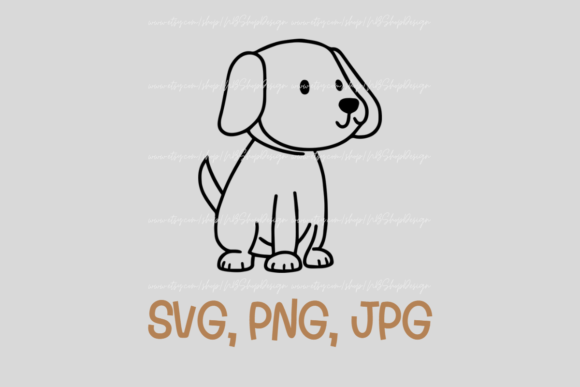
The mood of Dog Vector is warm, slightly playful, and genuinely pet-loving. It does not try too hard to be cute. Instead, it lands somewhere between a modern illustration and a classic pet portrait. That makes it versatile. I could see it working on a sweatshirt embroidery for a dog owner who wants something understated, or on a tote bag design for a craft fair where shoppers are looking for something personal but not kitschy. The shape reads clearly even from a few feet away, which is important for custom apparel where you want the design to be recognizable without squinting. The visual personality feels appropriate for both personalized gifts and small shop merchandise, and that dual appeal is valuable for anyone selling finished products.
Because this is listed under Illustrations and Graphics, I approached it knowing the source material is a high-resolution digital file rather than a pre-digitized embroidery file. That is actually an advantage for someone like me who prefers to control the digitizing process. The clean lines in the illustration give a digitizer clear guidance on where satin stitch should go and where fill stitch can breathe. If you work with a reliable digitizer or have your own software, this kind of graphic gives you a strong foundation to build an embroidery file that stitches cleanly.
Testing Dog Vector on a Custom Tote Bag and a Sweatshirt
I prepared two test projects: a sturdy cotton tote bag and a medium-weight sweatshirt embroidery piece. For the tote bag, I wanted to see how the design handled a larger hoop size and whether the details would hold up on a structured fabric. For the sweatshirt, I was concerned about stretch and fabric texture. Both tests revealed some useful insights.
On the tote bag, Dog Vector stitched out with clear definition. The main shape stayed true to the original graphic, and the stitch density felt appropriate for a design meant to be seen and touched. I used a medium-weight cutaway stabilizer and a standard hoop size, and the design did not shift or distort. The satin stitch areas, especially around the dog's silhouette, laid down smoothly with good edge coverage. On the sweatshirt, I had to adjust my stabilizer choice to a firmer option because the fleece texture wanted to swallow some of the finer details. Once I added a tear-away on top and a cutaway underneath, the design came through cleanly. The fill stitch areas were dense enough to look solid but not so dense that they puckered the fabric. That is a good sign for commercial embroidery projects where you need consistency across multiple units.
I also tested it on a piece of dark fabric because many pet owners love putting dog designs on dark custom apparel. The light thread colors I chose popped well against a navy background. If you plan to use Dog Vector on dark fabric, I recommend testing your thread color contrast on scrap fabric first. The design itself reads well, but color selection makes the difference between a professional finish and something that looks muddy. For baby embroidery or holiday embroidery, pastel threads on a cream background would keep the mood soft and giftable.
Where Dog Vector Shines in Product Applications
I have been thinking about which products would benefit most from this design. Based on my testing, here is where I see the strongest fit:
- Custom tote bags – The design's shape works beautifully as a centerpiece on a structured bag. It feels like a boutique product rather than a generic print.
- Sweatshirts and hoodies – The friendly mood fits the cozy vibe of fleece garments. It looks especially good as a chest or center-back placement.
- Embroidered patches – Because the design has a clear outline and moderate detail, it digitizes well as a patch. I am planning to offer these as iron-on patches at craft fairs.
- Pillow covers and kitchen towels – For handmade product lines, this design adds a personal touch without overwhelming the item. It would work on a throw pillow for a pet lover or a towel for a dog-themed kitchen.
- Baby clothes and nursery decor – Scaled down slightly, Dog Vector has a gentle enough presence for onesies, bibs, or small wall hangings. Just be mindful of the stitch density on delicate fabrics.
- Holiday gifts – This is the kind of design that sells year-round but especially around gift-giving seasons. Dog owners are always looking for something that represents their pet without being overly sentimental.
For Etsy sellers and small shop product creators, this design offers flexibility. You can use it as a standalone embroidery, combine it with text, or incorporate it into a larger composition. Because it is a digital graphic file, you also have the option to create printable mockups for listing photos, which helps customers visualize the finished piece before they buy.
Where to Use Careful Judgment with This Design
No design is perfect for every application, and Dog Vector has some considerations worth noting. I always tell my fellow embroidery designers to test before committing to a production run, and this design is no exception.
- Small hoop sizes – If you plan to stitch this on a hat, a cap, or a very small garment, you will need to scale it down. At smaller sizes, some of the finer details in the illustration may become crowded. Check your hoop size and test a scaled version on scrap fabric before stitching a finished product.
- Thin or stretchy fabric – On lightweight t-shirts or single-knit fabrics, the stitch density may cause puckering if you do not use proper stabilizer. I recommend a medium-weight cutaway stabilizer and careful hooping to keep the fabric from distorting.
- Curved surfaces like caps – The design's shape is relatively compact, which helps on curved surfaces. But if you are embroidering a cap, make sure the design fits within the front panel and does not extend into the brim or seams. Test the placement with a paper template first.
- Layered garments – If you are stitching on a jacket or a sweatshirt with a thick seam or pocket, check that the design area lies flat. Machine embroidery design work on layered garments requires attention to thickness and stabilizer choice.
- Frequent washing – For items like kitchen towels or baby clothes that will be washed often, make sure your thread colors are colorfast and your stabilizer is fully dissolved or trimmed cleanly. The design's stitch density is moderate, but heavy washing can still affect appearance over time.
Visual Appeal, Product Value, and Customer Trust
When a customer buys a handmade product with an embroidered design, they are paying for quality and thoughtfulness. Dog Vector delivers on that front because it looks intentional. It does not look like a clipart afterthought. The illustration has enough character to feel custom, which is exactly what personalized gift buyers are looking for. I have noticed that designs with a clear emotional tone tend to sell better at craft fairs and on Etsy. People connect with the image before they read the product description.
From a brand consistency standpoint, this design works well for a shop that focuses on pet-related products or modern rustic aesthetics. It is not too trendy, so it will not look dated next season. That longevity matters for small business owners who want to build a product line they can offer year after year. The design also photographs well. When I created printable mockups for my Etsy listings, the design looked sharp and appealing, which helps with click-through rates and buyer engagement.
For commercial embroidery projects where you are producing multiple items for clients, consistency is everything. Because Dog Vector is a clean graphic with clear shapes, it digitizes predictably. That means less time troubleshooting and more time stitching. If you are an apparel decorator or a craft business owner, you will appreciate how the design behaves across different fabric types once you have dialed in your stabilizer and thread choices.
Practical Embroidery Designer Notes Before You Stitch
Before you load this design into your machine, here are some practical points I learned from my testing. These apply whether you are using the graphic to create your own embroidery file or working with a pre-digitized version.
- Test on scrap fabric first. This is the most important step. Stitch a sample on fabric similar to your final product. Check for thread breaks, puckering, and alignment. Adjust your stabilizer or tension as needed.
- Check thread color contrast. Dog Vector works best when the thread color contrasts clearly with the fabric. On light fabric, use darker thread. On dark fabric, use lighter thread. Test both to see which combination looks most professional.
- Review stitch density. If you are digitizing the design yourself, pay attention to the fill stitch density. Too dense and the fabric will pucker. Too loose and the design will look thin. Aim for a density that covers the fabric without distorting it.
- Confirm hoop size. Make sure the design fits within your hoop before you start. Measure the design dimensions against your hoop's embroidery field. Dog Vector is flexible in size, but extreme scaling can affect detail clarity.
- Inspect small details. If the illustration has thin lines or small features, check how they stitch at your intended size. Sometimes details that look fine on screen become unclear at embroidery scale. Adjust or simplify if needed.
- Test in black and white mockups. Before committing to thread colors, print a black and white version of the design on paper and place it on your product. This helps you evaluate placement and scale without wasting materials.
- Compare light and dark fabric backgrounds. The same design can look dramatically different on white versus black fabric. Stitch a sample on both if you plan to offer options.
- Use proper stabilizer. For most applications, a medium-weight cutaway stabilizer is a safe starting point. For stretchy or textured fabrics, you may need a firmer stabilizer or a combination of tear-away and cutaway.
- Check licensing before selling. Since this listing is for a digital download with no physical product, confirm the license terms for commercial embroidery and selling finished items. Some graphics allow unlimited commercial use, while others have restrictions. Always verify before you list products for sale.
- Keep a sample of your finished product. When you are satisfied with the stitchout, keep one sample as a reference. This helps you maintain consistency across future projects and gives you a physical example to show customers.
Final Thoughts on Dog Vector for Real Project Use
After working with Dog Vector on multiple test projects, I can say it is a design I will use again. It has the right balance of personality and practicality. It works for handmade product lines, custom apparel, personalized gifts, and small business merchandise. It photographs well, stitches cleanly with proper preparation, and appeals to a broad audience of pet lovers. For Etsy sellers, craft fair vendors, and apparel decorators, this is the kind of design that earns its place in your digital collection. Just take the time to test it on your specific fabric, adjust your stabilizer, and confirm your licensing. A little preparation goes a long way toward a professional finish that customers will love.