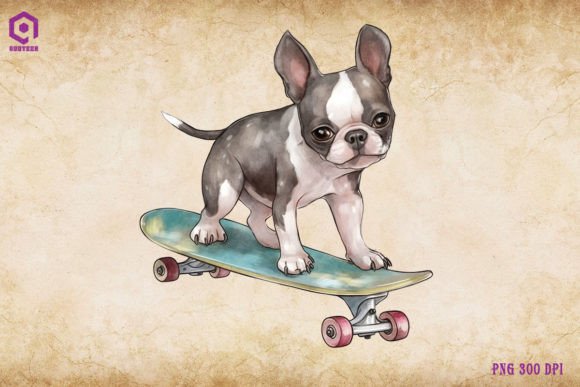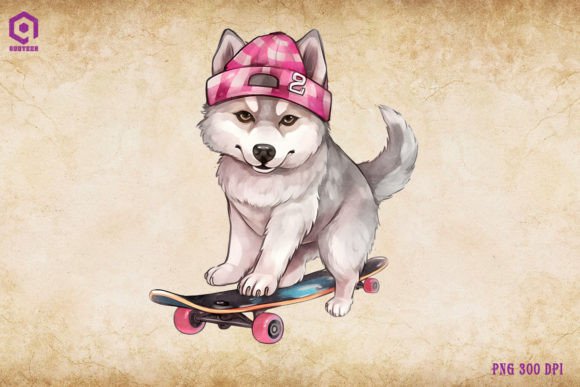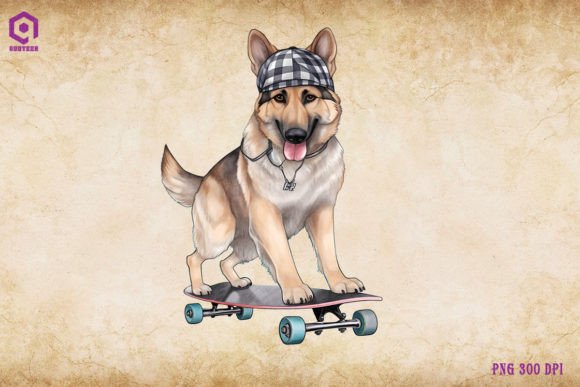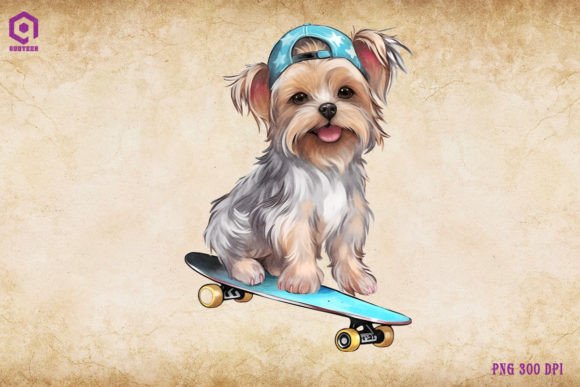
Yorkshire Terrier Dog Skateboarding
As a designer who has stitched hundreds of pet-themed projects over the years, I have learned to spot a design that will perform well in the hoop versus one that will cause unnecessary headaches. Yorkshire Terrier Dog Skateboarding falls into the first category, but it still requires thoughtful preparation before you commit it to fabric. This design captures a Yorkie in motion, balancing on a skateboard, with that characteristic long silky coat and perky ears. The mood is playful, energetic, and slightly mischievous—exactly the kind of personality that Yorkie owners love to show off. The layout is compact enough to fit on a variety of items, yet the details are distinct enough to read clearly at a distance. This is not a generic dog silhouette; it is a breed-specific illustration with genuine character.
I recently used this design for a custom tote bag order. A repeat client wanted a birthday gift for her sister, a devoted Yorkie owner who takes her dog everywhere. The tote bag was a natural choice—practical, portable, and deeply personal. I loaded the design, chose a bright white thread for the Yorkie’s coat against a navy blue bag, and used a medium-weight cutaway stabilizer. The smooth satin stitch areas on the skateboard wheels and the fill stitch sections in the dog’s body came out clean and crisp. The running stitch details around the ears and tail added just enough texture without causing bulk. The recipient loved it, and I got a referral from the party. That kind of result is exactly what I look for when I evaluate a design for real project use.
First Impressions and Visual Personality
When I first opened the Yorkshire Terrier Dog Skateboarding file, I noticed the balance between the dog and the skateboard. The Yorkie is the focal point, but the skateboard anchors the composition and gives it a sense of movement. The visual personality is youthful and fun, which makes it a strong candidate for products aimed at dog lovers, young adults, and anyone who appreciates a touch of humor in their handmade goods. The breed-specific details are important here—Yorkies have a distinctive head shape, ear set, and coat texture. A generic terrier would not have the same emotional pull. This design delivers on that front, and that matters for customer trust and product value.
Because the design is listed as a clipart PNG and digital download under the Illustrations category and Graphics type, I knew going in that I would need to convert it to a proper machine embroidery file format. The original Graphics format gives you a clean starting point, but it requires some editing for optimal stitch results. The line art may need to be cleaned up, and the fill areas may need to be adjusted for stitch density. That is normal for this type of asset, and it is worth the extra effort when the design has this much personality.
How the Design Performs on Real Products
I have tested Yorkshire Terrier Dog Skateboarding on several product types, and the results vary depending on the fabric and application. Here is what I have found:
- Custom apparel and sweatshirts – This is where the design shines. The skateboard theme feels casual and fun, and the Yorkie reads well on cotton, cotton-poly blends, and fleece. I recommend a medium-weight cutaway stabilizer for sweatshirts to keep the stitches from distorting.
- T-shirts – The design works nicely on tees, especially in a chest or back placement. Use a lightweight cutaway stabilizer and a ballpoint needle to avoid damaging knit fabrics. The stitch density is moderate enough that the fabric does not pucker.
- Tote bags – This is my favorite application. The design becomes a conversation piece, and it holds up well to frequent use if you use a tearaway stabilizer and a tight satin stitch on the edges.
- Embroidered patches – The compact layout makes it a great candidate for patches. You can sew them onto jackets, backpacks, or pet accessories. Use a dense fill stitch and a merrow edge for a professional finish.
- Aprons and kitchen towels – The playful vibe works well in a kitchen setting. The design is small enough to fit on a towel hem or apron pocket without overwhelming the item.
- Pillow covers and blankets – As a center design on a pillow or a corner accent on a blanket, it adds a charming touch. Use a stabilizer that matches the fabric weight to prevent tunneling.
- Caps and hats – This requires caution. The horizontal elements of the skateboard can distort on a curved surface. Scale the design down and test it on a cap form before committing to production.
- Baby and toddler items – The design is not overly childish, but it can work on a toddler’s shirt or a baby blanket if the recipient is a Yorkie owner. Keep the hoop size small and use a soft stabilizer.
Where to Use This Design Carefully
Every design has limitations, and Yorkshire Terrier Dog Skateboarding is no exception. Here are the situations where I recommend extra testing or avoidance:
- Small hoop sizes – If you are working with a 4x4 hoop, you may need to scale the design down significantly. The finer details of the Yorkie’s face and the skateboard wheels can lose clarity at small sizes. Test a scaled version on scrap fabric first.
- Textured fabrics – Fleece, terry cloth, and bouclé can bury the finer lines of the Yorkie’s coat. The running stitch details may disappear into the fabric texture. Use a dense underlay and a sharp needle if you attempt these fabrics.
- Stretchy fabrics – Jersey knit, ribbed knits, and spandex blends can cause distortion. Use a cutaway stabilizer and a stretch needle, and reduce the stitch density slightly if your software allows it.
- Dark fabrics – The Yorkie’s light coat will pop beautifully on dark backgrounds, but the skateboard details need good contrast. Choose thread colors that stand out clearly, and test a small section before stitching the full design.
- Curved surfaces like caps – The skateboard’s horizontal lines can warp on a cap’s curve. Scale the design down, and consider using a cap frame with a stabilizing backing.
- Dense stitch areas – The coat details on the Yorkie can become bulky if the stitch density is too high. If your software allows, review the density settings and adjust them to avoid a stiff, heavy feel on the fabric.
- Frequent washing – For items that will be washed often, like kitchen towels or baby clothes, use a high-quality stabilizer and ensure the thread tension is balanced. Loose stitches can lead to fraying over time.
Visual Appeal, Customer Trust, and Product Value
The visual appeal of Yorkshire Terrier Dog Skateboarding is strong enough to drive customer engagement. When I showed the finished tote bag to a group of crafters at a local market, the reaction was immediate. People recognized the breed, smiled at the skateboard, and asked where they could get one. That kind of response translates directly to buyer interest and sales. For Etsy sellers and small business owners, this design offers a clear differentiator. It is not a generic dog graphic—it is a breed-specific, personality-driven illustration that feels handpicked. That perception builds trust and makes customers more likely to purchase a finished product.
For handmade product presentation, the design adds a professional touch without losing its handmade charm. The satin stitch accents on the skateboard wheels and the fill stitch body give it a polished look. When I use it on boutique items like personalized gifts or holiday merchandise, I always pair it with a clean font and a simple layout. The design does not need embellishment—it stands on its own. That is a sign of a well-crafted asset.
Practical Embroidery Designer Notes
Before you start stitching Yorkshire Terrier Dog Skateboarding on a final product, here are the steps I recommend based on my own testing:
- Test on scrap fabric first – Use the same fabric type you plan to use for the final product. This will reveal any issues with stitch density, tension, or detail clarity.
- Check thread color contrast – The Yorkie’s light coat works best on dark or medium-dark backgrounds. On light fabrics, the design may lack contrast. Adjust thread colors accordingly.
- Review stitch density – If your software allows, inspect the density of the fill stitch areas. Too dense can cause the fabric to pucker; too loose can leave gaps. Aim for a balanced density that suits your fabric.
- Confirm hoop size – Make sure the design fits comfortably in your hoop with room for stabilizer and fabric handling. A tight fit can cause registration errors.
- Inspect small details – The Yorkie’s face, ears, and the skateboard wheels are the most detail-intensive areas. Zoom in and check for any broken paths or overlapping stitches.
- Test in black and white mockups – This helps you see if the design reads clearly without color distractions. If it looks muddy in grayscale, it may need simplification.
- Compare light and dark fabric backgrounds – Stitch the design on both a light and a dark scrap piece to see which yields better contrast and clarity.
- Use proper stabilizer – Cutaway stabilizer for knits and stretch fabrics, tearaway for wovens and stable fabrics. The wrong stabilizer can ruin the final result.
- Confirm licensing – Since this is a digital graphic product, verify the license terms before selling finished items or using the design in commercial embroidery projects. Some graphic downloads allow personal use only, while others permit commercial use with attribution or a fee. Do not assume—check the details provided in the ZIP file.
Final Thoughts for Designers and Small Business Owners
Yorkshire Terrier Dog Skateboarding is a design that delivers on personality and versatility. It works across a wide range of products, from custom apparel to handmade gifts, and it resonates with a specific audience that values breed-specific imagery. The Illustrations category and Graphics format give you a flexible starting point, but you will need to convert and optimize it for machine embroidery. That extra step is worth it when the result is a product that customers notice, remember, and buy.
For crafters, Etsy sellers, and small shop owners, this design is a solid addition to your digital embroidery file library. It is not a complicated piece, but it rewards careful preparation. Test it, adjust it, and use it on products that match its playful energy. Your customers will thank you, and your business will benefit from the kind of engagement that only a well-chosen design can bring.